

Wearable Devices in Pediatric Obesity: A Comprehensive Review of Current Applications and Future Directions
DOI:
https://doi.org/10.14740/ijcp1051Keywords:
Wearable devices, Pediatric obesity, Activity trackers, Accelerometers, Continuous glucose monitoring, Physical activity, Digital health interventions, Health monitoringAbstract
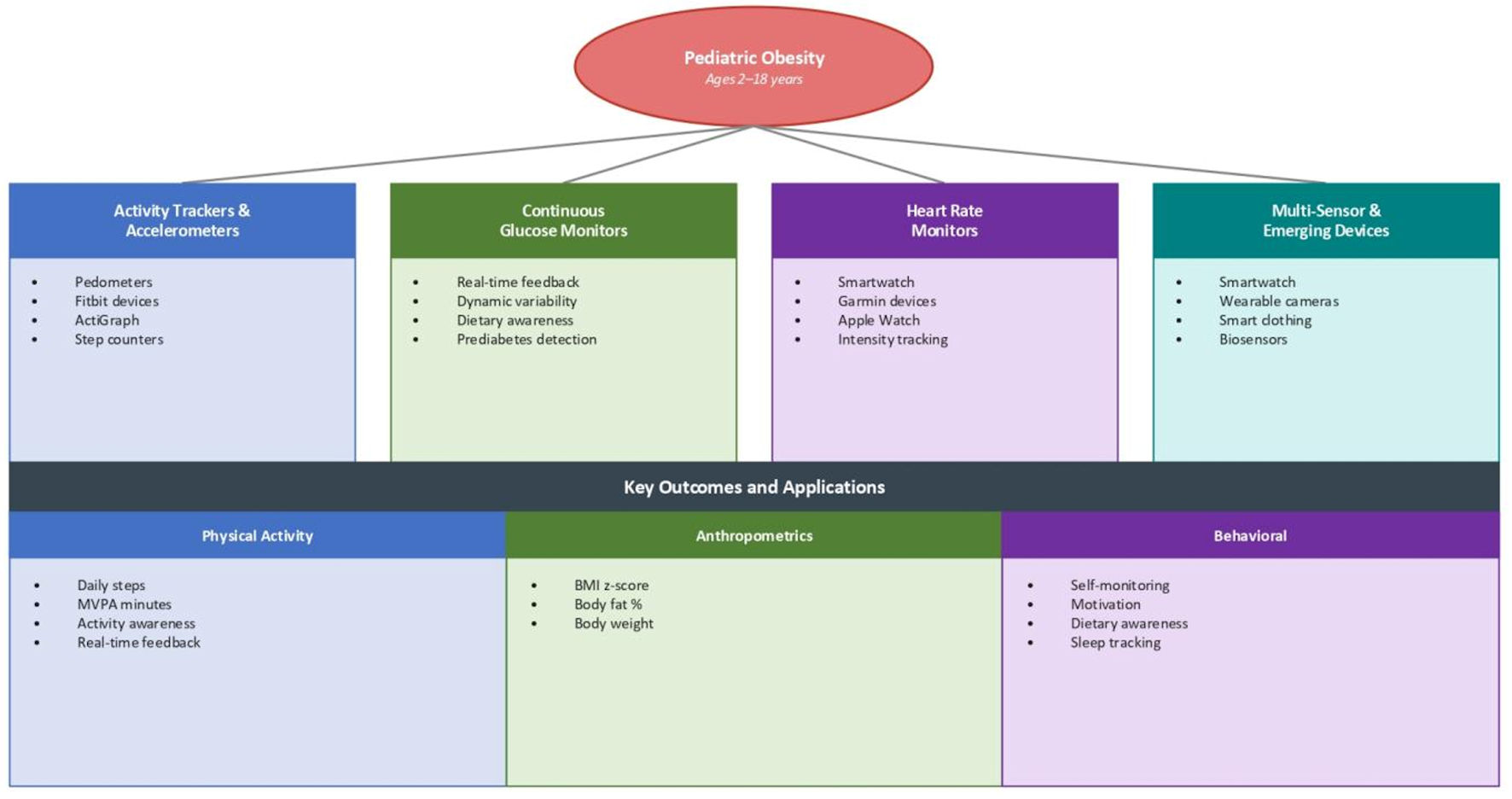
Pediatric obesity represents a critical global public health crisis affecting millions of children and adolescents worldwide. Traditional obesity interventions face significant challenges related to adherence, engagement, and long-term efficacy. Wearable devices have emerged as promising tools for monitoring physical activity, metabolic parameters, and supporting behavior change in youth with obesity. This targeted literature review examines the current scope, applications, and effectiveness of wearable devices in managing childhood and adolescent obesity. We conducted a targeted literature review using PubMed and Google Scholar databases to identify studies published between 2010 and 2025. Search terms included wearable devices, pediatric obesity, activity trackers, accelerometers, continuous glucose monitors (CGMs), smartwatches, children, and adolescents. We focused on randomized controlled trials, systematic reviews, meta-analyses, and observational studies evaluating wearable devices in pediatric populations with obesity or overweight. Wearable devices demonstrate significant potential across multiple domains in pediatric obesity management. Activity trackers and accelerometers show effectiveness in increasing physical activity and improving anthropometric outcomes including body mass index (BMI), BMI z-score, and body fat percentage. Consumer-grade devices like Fitbit and research-grade accelerometers have shown acceptable accuracy and feasibility in pediatric populations. CGMs are emerging as valuable tools for understanding glycemic variability and supporting dietary behavior change in youth with obesity. Heart rate monitors and smartwatches provide real-time biofeedback that enhances engagement. However, heterogeneity in device types, intervention duration, and outcome measures limits definitive conclusions. In conclusion, wearable devices represent a versatile and increasingly accessible approach to pediatric obesity management. While current evidence supports their use for physical activity promotion and metabolic monitoring, significant gaps remain regarding long-term adherence, optimal implementation strategies, and integration into clinical care pathways. Future research should focus on standardizing outcome measures, evaluating cost-effectiveness, and developing age-appropriate interventions that maximize the unique potential of wearable technology in combating the pediatric obesity epidemic.
Published
Issue
Section
License
Copyright (c) 2026 The authors

This work is licensed under a Creative Commons Attribution 4.0 International License.